Driveway Snow Melting Systems: What They Cost and How They Work This Winter
December storms on the Western Slope can turn steep, shaded driveways into ice rinks. If you’re in Montrose, Delta, Ouray, Ridgway, or Telluride, a driveway snow melting system can replace early-morning shoveling with reliable, hands-off safety. Here’s how these systems work, what they cost, and how West Plumbing, LLC designs hydronic snow melt that fits your home and winter routine.
How snow melting systems work in Western Slope weather
Snow melting systems use radiant heat to keep slabs, pavers, or walkways above freezing. There are two common types:
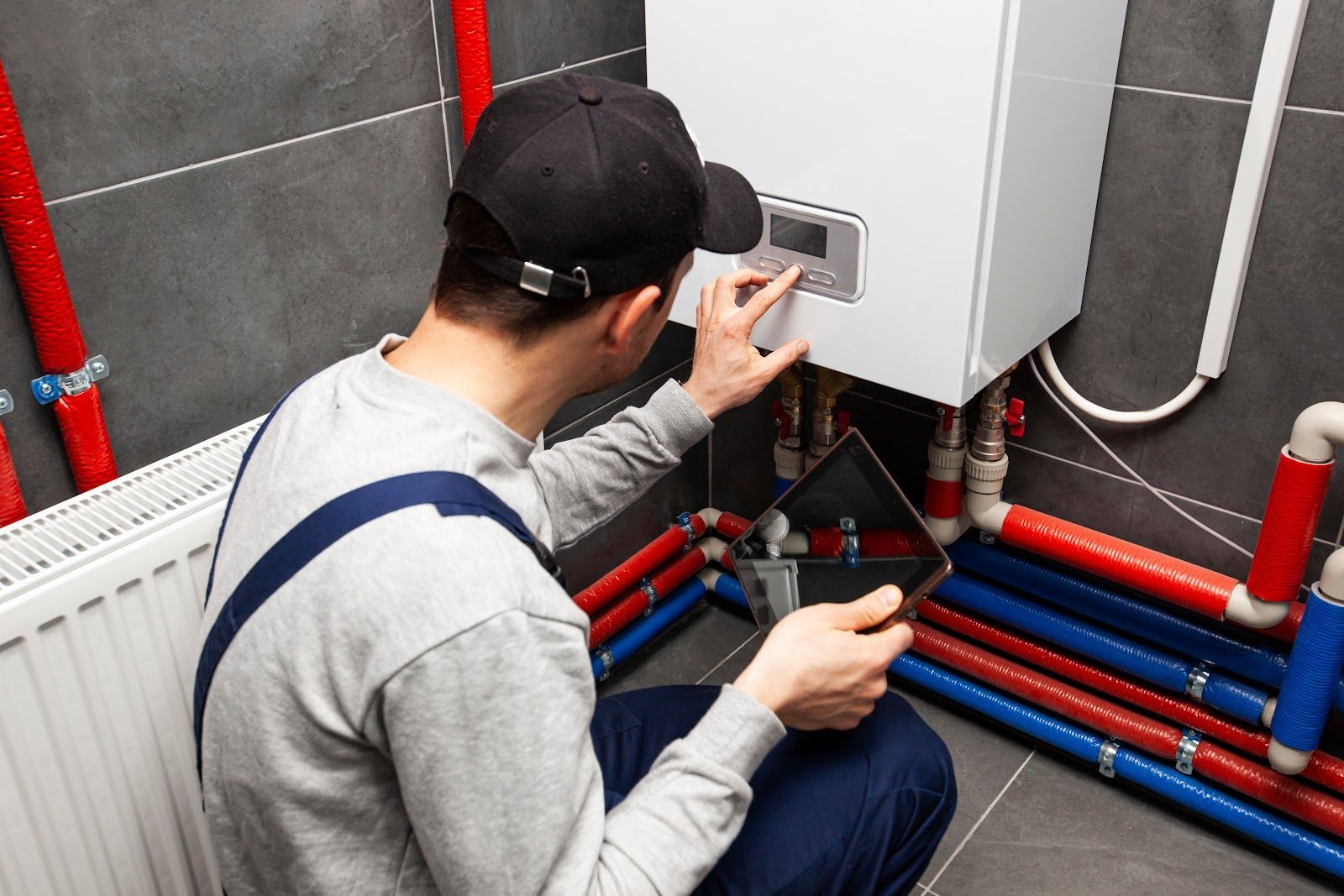
Hydronic systems circulate a warmed water/antifreeze (glycol) mix through durable PEX tubing embedded in the driveway. A boiler or dedicated heat source delivers low-temperature water to the loops, controlled by sensors and a smart controller.
Electric systems use heating cables or mats placed under the surface. They’re simple for smaller areas but can be costly to operate on larger driveways.
For high-elevation homes in Ouray and Telluride, automatic moisture-and-temperature sensors are key. They detect precipitation and cold surfaces, start the system before snow bonds to the slab, and shut it down when clear—saving energy while improving performance in fast-changing conditions.
How much does a driveway snow melt system cost per square foot?
Installed costs vary by site and system type, but these ballpark ranges can help you plan:
Electric cables/mats: typically about $10–$20 per sq. ft. installed for small areas
Hydronic (boiler-based): typically about $20–$35+ per sq. ft. installed for larger areas What drives cost? Several factors:
Size and layout: narrow paths vs. full driveway; slopes and curves raise labor
Surface type: new pour slab is most economical; pavers/retrofits cost more
Power/fuel: electric service capacity, gas/propane availability, boiler sizing
Controls: basic manual vs. automatic moisture/temp sensing and zoning
Insulation and base prep: thermal breaks and slab insulation improve efficiency
Operating costs depend on snowfall, temperatures, energy rates, and controls. As a rough guide, hydronic systems are sized around 80–150 BTU/hr per sq. ft. A 500 sq. ft. zone at 120 BTU/hr needs about 60,000 BTU/hr while running. With efficient boilers, smart sensors, and good insulation, homeowners often find hydronic systems more economical over larger areas than electric options.
Hydronic vs. electric: which is best for your home?
Choose hydronic when:
You’re melting a full driveway or multiple walkways
You have natural gas or propane and want lower operating costs
You value long-term durability and integration with an existing boiler
Choose electric when:
You’re targeting small zones like entry steps or short paths
You’re mid-remodel and want a faster installation without mechanical equipment
Your electrical service can handle the added load during storms
Benefits beyond skipping the shovel
Snow melting adds practical and long-term value on the Western Slope:
Safer access for family, guests, and deliveries during freeze-thaw cycles
Fewer slip hazards and less reliance on salt/ice melt that can damage concrete and landscaping
Better early-morning traction for commutes and ski trips
Reduced plow and shoveling wear on surfaces, extending driveway life
Convenience for vacation rentals and second homes that may sit unattended
Installation timing and maintenance
New construction or driveway replacement is the ideal time to install snow melt—tubing is secured before the pour, manifolds are placed in protected locations, and the system is pressure-tested. Retrofits are possible under pavers or with selective slab replacement. Once installed, plan for:
Annual boiler service and control check
Glycol concentration and pH verification for hydronic loops
Sensor testing and cleaning, especially after fall leaf drop and wind events
Visual checks of manifolds, pumps, and relief valves before first snow
Is a snow melting system worth it?
If you have a steep, north-facing drive, frequent ice, mobility concerns, or you manage short-term rentals in Telluride or Ouray, the safety and time savings can be significant. For Montrose and Delta homeowners with moderate snowfall, targeted zones—like entries, stairs, and short aprons—offer an efficient middle ground. A proper heat-loss calculation and site review ensure you get the performance you’re paying for.
Western Slope snow melt by West Plumbing, LLC
We design and install hydronic snow melting systems tailored to local elevations, utilities, and weather patterns. Our team handles heat-load calculations, boiler selection, controls, zoning, and insulation details—plus ongoing maintenance—to deliver reliable, efficient results.
Ready for ice-free access this winter?
Schedule a snow melt consultation with West Plumbing, LLC. We’ll evaluate your driveway, discuss hydronic vs. electric options, provide transparent pricing, and map out a plan that fits your property and budget in Montrose, Delta, Ouray, Ridgway, and Telluride. Visit westplumbing.co to get started and enjoy safer, stress-free winter access.
Share This Blog